

Tongue Tie

Improving Oral Function & Feeding Through Gentle Tongue Tie Treatment
Tongue Tie Treatment in Metairie

Expert Tongue Tie Treatment

Tongue and lip ties can significantly impact a baby’s ability to breastfeed or bottle-feed effectively. A restricted frenulum limits tongue movement, making it difficult for newborns to latch properly, which can lead to feeding frustration, weight gain issues, and discomfort for both baby and parent.

At Billings Family Dentistry, we offer gentle, precise frenectomy treatment to release tongue ties and restore healthy oral function. By improving the baby’s ability to move their tongue, we support more efficient feeding, better sleep, and long-term oral development. Our team will walk you through what to expect, ensure your child’s comfort, and provide expert aftercare every step of the way.

Understanding Tongue Tie, Lip Tie & Frenectomies

What Is A Frenulum?

A frenulum is a small band of tissue that helps anchor parts of the mouth—such as the tongue, lips, or cheeks—to surrounding structures. When a frenulum is too short, thick, or tight, it can limit movement and lead to issues with feeding, speech development, breathing, and oral health. This condition is often referred to as a tongue tie (ankyloglossia) or lip tie and is common in infants and children.

What Is A Frenectomy?

A frenectomy, also known as a frenulotomy or frenulotomy procedure, is a safe, quick treatment that releases the restricted frenulum to improve function. At Billings Family Dentistry, our team provides gentle, precise frenectomies using advanced techniques to help children and adults breathe easier, feed better, and enjoy improved quality of life. Whether you’re seeking help for a tongue tie in a newborn, or addressing oral restrictions linked to TMJ symptoms, we’re here to help every step of the way.
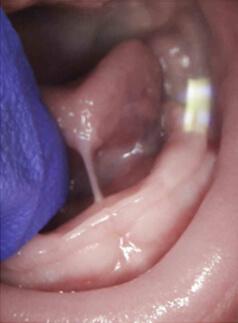
Tongue Tie Relief in Metairie

Frequently Asked Questions About Tongue Ties in New Orleans

Q: Can a tongue tie contribute to TMJ issues?

A: Yes, a tongue tie—especially if left untreated—can affect jaw development and function over time. Restricted tongue movement may contribute to improper oral posture and strain, potentially leading to tongue tie TMJ complications like jaw tension, headaches, or discomfort when chewing.

Q: What is an infant tongue tie, and how is it treated?

A: An infant tongue tie occurs when the tissue (lingual frenulum) beneath a baby’s tongue is too tight or short, limiting mobility. Treatment often involves a simple, safe procedure called a frenectomy to allow better tongue function for feeding and oral development.

Q: How can I tell if my newborn has a tied tongue?

A: Signs of a tied tongue in newborns may include difficulty breastfeeding, poor weight gain, clicking sounds while nursing, or frustration during feeding. A dental or medical professional can assess your baby and recommend appropriate care if a tongue tie is suspected.

Q: What is a posterior tongue tie and how is it different?

A: A posterior tongue tie is a subtler, harder-to-see version where the restriction is deeper under the tongue. It may not be visible at first glance but can still affect speech, eating, and jaw development as a child grows.

Q: Is tongue tie only a concern for infants and children?

A: No, tongue ties can persist into adulthood if untreated and may contribute to ongoing oral health issues, including TMJ discomfort, snoring, or speech problems. At Billings Family Dentistry, we evaluate patients of all ages for tongue tie-related concerns.